
When temperatures drop and indoor heating kicks in, your skin barrier takes a hit. Cold outdoor air carries very little moisture, while dry, heated rooms pull water from the upper layers of your skin faster than the barrier can replenish it. The result is that familiar winter tightness — flaky patches, sensitivity that wasn't there a month ago, and foundation that suddenly refuses to sit smoothly. Korean skincare has spent decades refining exactly the ingredients that address this, and three of them do the heaviest lifting: ceramides, hyaluronic acid, and rice extracts. Here's what each one does and how to put them to work.
What's Happening to Your Skin in Winter
Your skin barrier — the stratum corneum — is made up of cells held together by lipids, a bit like bricks and mortar. In good shape, it keeps moisture in and irritants out. In cold, dry weather, that structure degrades faster than it can repair itself.
When the barrier is compromised, even gentle products can sting or irritate. Redness flares more easily. Breakouts can get worse, not better. This is why winter skincare isn't just about adding more moisturizer — it's about giving your skin the specific building blocks it needs to fix itself. The three ingredients below each play a distinct role in that process.
Ceramides: The Lipids That Hold Your Barrier Together
Ceramides are lipids that naturally make up a significant portion of the skin's barrier structure. Think of them as the mortar between the bricks. When ceramide levels drop — due to cold weather, harsh cleansers, over-exfoliation, or simply getting older — that mortar weakens, and water escapes while irritants get in.
If your skin feels tight immediately after cleansing, or you notice that fine lines look more pronounced in winter than in summer, that's a strong signal your barrier needs ceramide support.
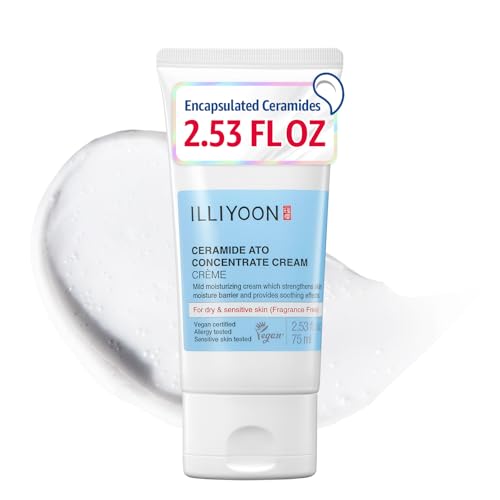
K-beauty ceramide formulas tend to do two things well that Western counterparts sometimes don't: they pair ceramides with complementary ingredients — like peptides, centella, or rice extracts — for compound barrier repair, and they achieve this in lightweight textures that work under makeup without pilling. The Illiyoon Ceramide Ato Concentrate Cream is a good example — rich enough to make a real difference overnight, but absorbs cleanly rather than sitting on top of the skin.
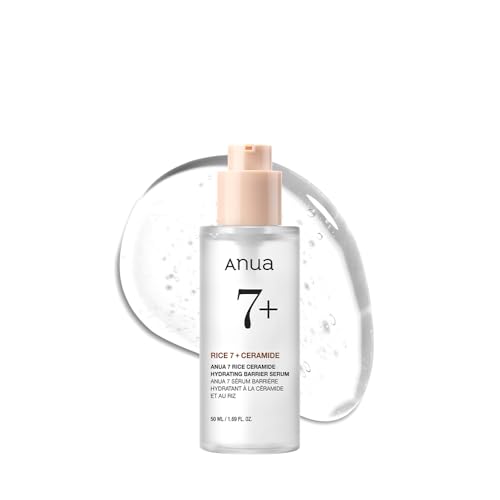
For days when your skin needs both ceramides and something lighter to wear under SPF, a ceramide serum is a more practical choice. The Anua 7 Rice Ceramide Hydrating Barrier Serum combines fermented rice with ceramides in a serum texture that layers easily — more on how to sequence it below.
Hyaluronic Acid: Hydration That Works at Every Depth
Hyaluronic acid is a humectant — it attracts and holds onto water molecules. It's produced naturally in the skin, but levels decline with age and environmental stress, including cold and dry air.
There's a nuance to using HA in winter that's worth understanding: because HA draws moisture from its environment, applying it to completely dry skin in a dry room can actually pull water from deeper layers toward the surface, where it then evaporates. The Korean approach to this problem is threefold:
- Apply HA to slightly damp skin, right after cleansing or misting
- Use a product that contains multiple molecular weights of HA — smaller molecules penetrate deeper, larger molecules sit on the surface and form a protective film
- Follow immediately with a moisturizer to seal the hydration in before it escapes
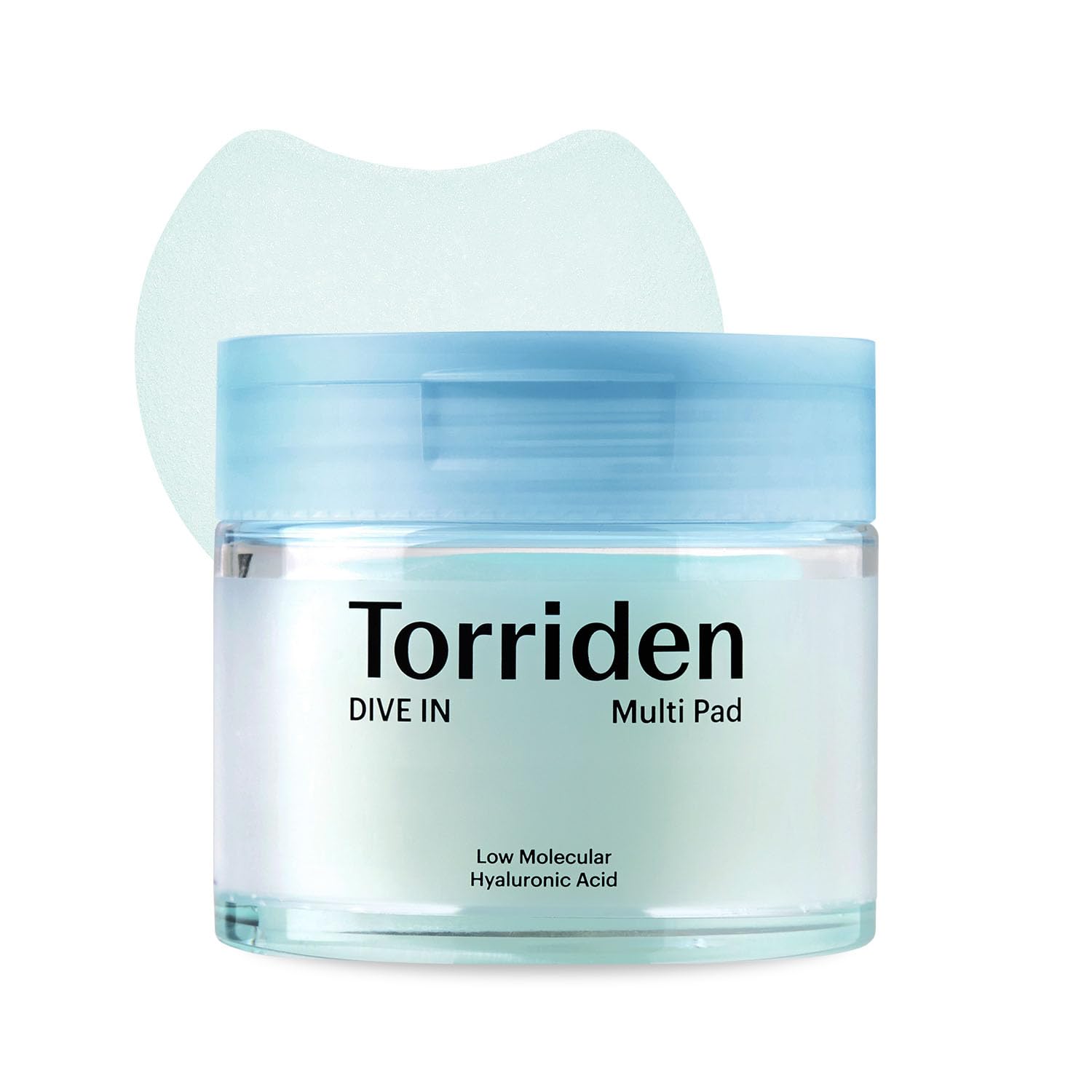
Multi-molecular-weight HA products are where Korean skincare really pulls ahead. The Torriden DIVE-IN Low Molecular Hyaluronic Acid Multi Pad delivers multiple types of HA in a soaked pad format — swipe it on after your toner and the skin feels plumper and more comfortable within minutes. It's one of those products that converts people who previously thought HA alone was overrated.
Rice Extracts: K-Beauty's Most Trusted Barrier Nourisher
Rice has been part of Korean and Japanese beauty for centuries, and it earns its place. Rice extracts contain amino acids, ferulic acid, and naturally occurring forms of niacinamide — all of which support the skin barrier, brighten dullness, and calm mild irritation. Unlike some brightening actives that can sensitize already-stressed skin in winter, rice extracts are gentle enough to use every day.
For dry, compromised winter skin, rice extracts offer:
- Nourishment without heaviness — they hydrate without leaving a greasy or occlusive feel
- Barrier reinforcement that works alongside ceramides rather than competing with them
- A mild brightening effect that counteracts the dullness and uneven tone that winter tends to bring
- Soothing properties that reduce redness and general reactivity
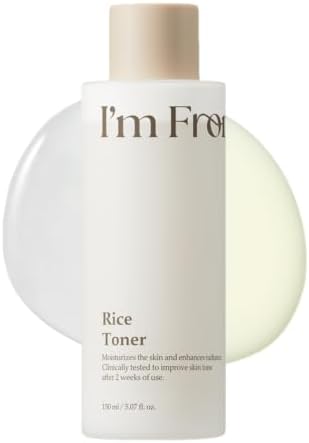
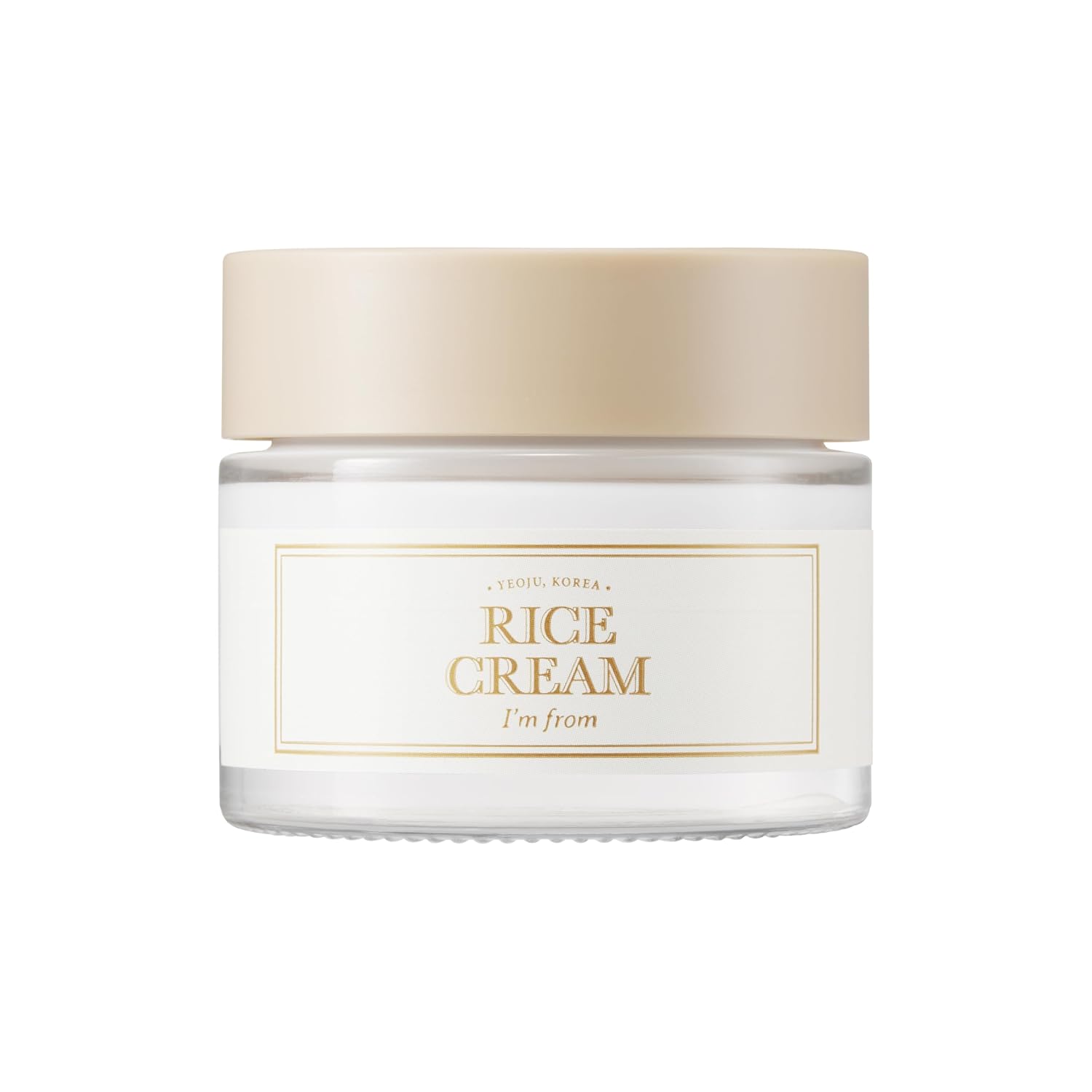
Rice-based products appear at every step of the Korean routine — from lightweight essence-toners to thicker creams — so you can build a cohesive winter routine around the ingredient without needing anything from a completely different family. The I'm From Rice Cream concentrates rice extract at a notably high level into a dense but non-occlusive moisturizer that works especially well as the final hydration step before bed. It sinks in fully and the skin feels significantly softer by morning.
| Ceramides | Hyaluronic Acid | Rice Extracts | |
|---|---|---|---|
| What it does | Rebuilds the lipid barrier | Draws and holds moisture | Nourishes and refines |
| Works best on | Tight, flaky, compromised skin | Dehydrated, dull skin | Dry, uneven, stressed skin |
| Use it as | Serum or moisturiser | Toner or essence | Toner, serum, or cream |
How to Layer All Three in a Winter Routine
In K-beauty, layering order goes thin to thick — lightest textures first, heavier ones to seal. Here's how to sequence ceramides, HA, and rice extracts:
- Cleanser: Use something gentle and non-stripping. A harsh cleanser undoes everything you layer on top — this step matters more than most people realize.
- Toner or essence (HA + rice): Apply to damp skin for the first layer of hydration. This is where HA does its best work.
- Serum (ceramides + rice): A serum that combines barrier actives and rice extract does double duty. Pat it in gently rather than rubbing.
- Moisturizer (ceramides): Lock in the layers below with a ceramide-rich cream.
- SPF in the morning: Korean SPF formulas often include hydrating ingredients, so you don't have to sacrifice moisture for sun protection.
Two or three nights a week, add a sleeping mask as the very last step. It extends the contact time of actives overnight, and the difference in morning skin texture is noticeable.
A Few More Winter Skin Notes
Ease up on exfoliation. Acid toners and exfoliating pads have their place, but in winter they should take a back seat — especially if your skin is already feeling sensitive. Cut back to once or twice a week and pay attention to how your barrier responds.
Don't skip SPF. UV exposure continues year-round, and a weakened barrier is more vulnerable to it. The good news is that many Korean SPF formulas are genuinely moisturizing, so winter sunscreen doesn't have to feel like a sacrifice.
Reconsider your cleanser. A foaming formula that leaves skin squeaky clean is stripping ceramides every single time you use it. If your skin feels tight after washing, the cleanser is part of the problem — and switching to something gentler is often the single change that makes everything else work better.
Ceramides, hyaluronic acid, and rice extracts aren't trends — they're well-established ingredients that Korean formulators have been refining for decades. Used together and layered correctly, they address the core reason winter skin breaks down: a compromised barrier that can't hold onto moisture. At CosClub, we carry a curated range of authentic K-beauty products built around these ingredients, shipped to you anywhere in the US — and if you're a member, you get member pricing on every order, every day, making it easier to stock up on winter staples before your skin starts asking for them.