
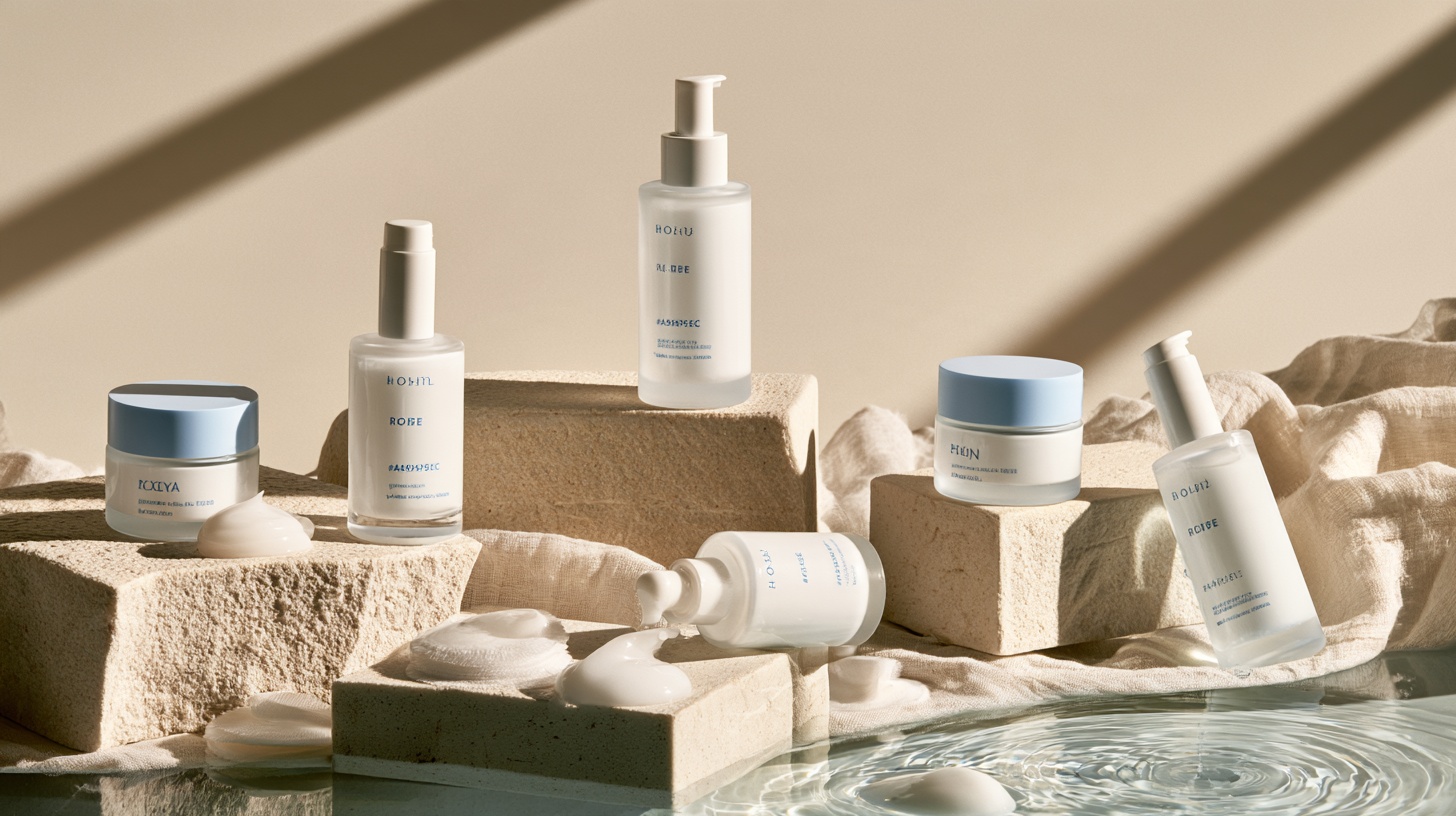
As soon as the air gets crisp, your skin starts sending signals — tightness after cleansing, a dull patch across your cheeks, a sensitivity that wasn't there in August. That's your barrier telling you it's time for a routine refresh. Cooler temperatures mean lower humidity, which means your skin loses moisture faster than it did all summer. The good news: a few smart swaps are all it takes to keep your skin comfortable, hydrated, and glowing straight through the colder months.
What Actually Changes in Fall and Winter
In summer, heat and humidity do some of the heavy lifting for your skin — ambient moisture helps your barrier stay intact. When that humidity drops (and indoor heating kicks in), trans-epidermal water loss goes up. The result is a stressed barrier that shows up as dryness, redness, flaking, and occasional breakouts, because a weakened barrier lets in irritants more easily.
The fix usually isn't a complete overhaul. It's about rethinking texture, adding a step or two focused on barrier support, and retiring the products that served you well in summer but feel stripping now.
| Summer | Winter | |
|---|---|---|
| Cleanser | Foamy, deep-cleansing | Gentle, low-lather |
| Toner | Light and watery | Milky, emollient |
| Moisturizer | Gel or fluid | Ceramide-rich cream |
| Sunscreen | Matte finish | Hydrating formula |
Start at the Sink: Rethink Your Cleanser
A foamy, deep-cleansing formula is a summer staple — it cuts through sweat and sunscreen effortlessly. In fall and winter, that same cleanser can push your skin into over-cleansed territory. If you've been using a strong foam twice a day, consider pulling back.
- Morning cleanse: Water-only or a very gentle rinse. Your skin didn't accumulate much overnight, and stripping it first thing sets a rough tone for everything that follows.
- Evening cleanse: Keep double cleansing — an oil or balm to lift SPF and makeup, then a low-pH foam to clear what's left.
- Exfoliating cleansers: If you've been using an AHA/BHA formula daily, scale back to two or three times a week. Acids are still useful in winter, just not as frequently.
- 1Water rinseSkin is clean from the night before
- 2Gentle cleanseOnly if needed — skip stripping foam
- 1Oil cleanserDissolves SPF and makeup first
- 2Low-lather foamGentle second cleanse to finish
Switch to a Milkier, More Hydrating Toner
Summer toners tend to lean light and watery — thin essence-style formulas that add a quick slip of hydration. When your skin is running dry, those lightweight textures don't build enough moisture. Fall is the ideal time to swap in something milkier.
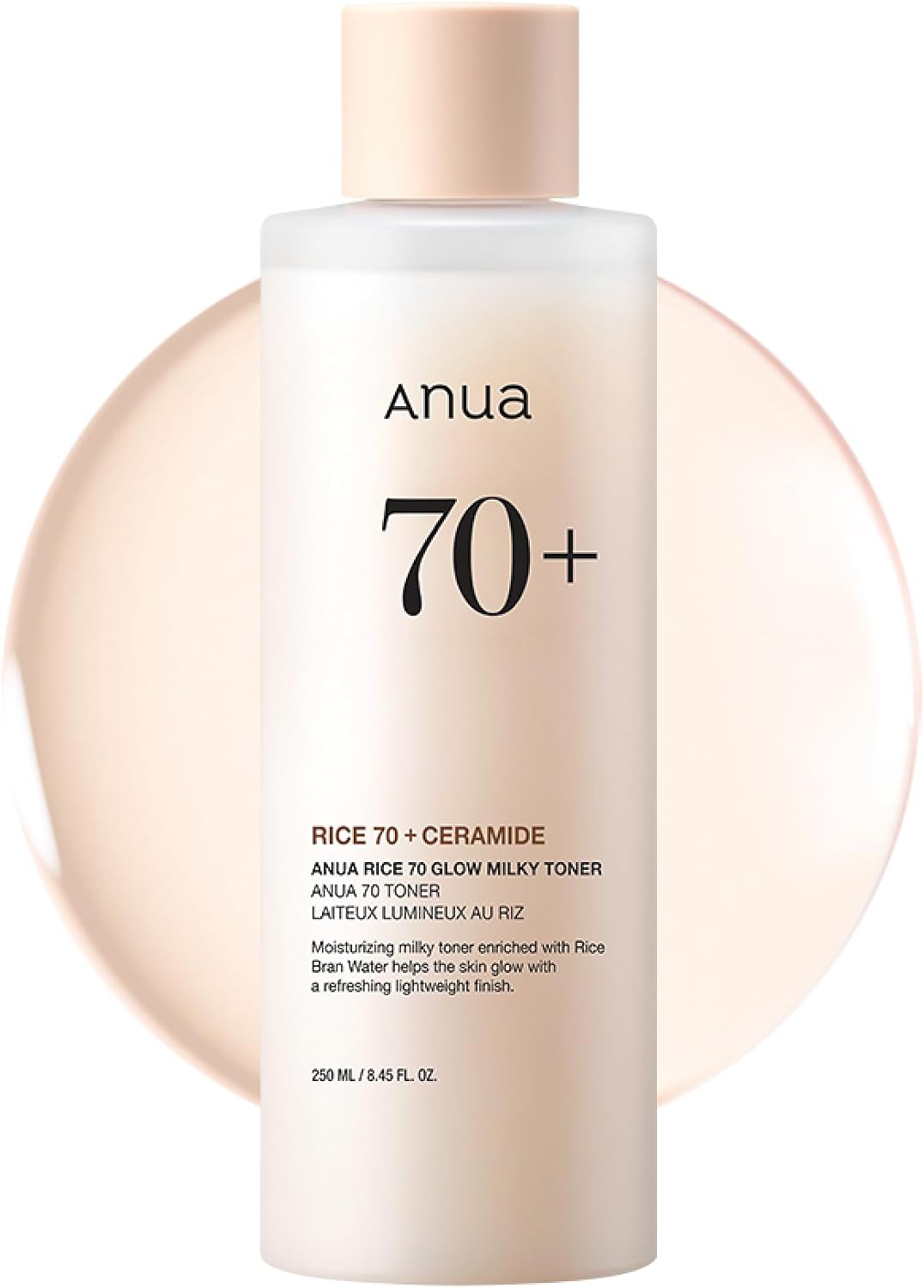
Milky toners contain emollients alongside humectants like hyaluronic acid and glycerin, which means they both add and hold moisture at the same time. Anua's Rice 70 Glow Milky Toner is a great example: it layers easily, softens skin texture, and works well as a first-essence step if you like to keep your routine efficient.

Add a Barrier Serum to Your Routine
If there's one step worth adding in cold weather, it's a serum built around ceramides, peptides, or calming ingredients that actively reinforce your skin barrier. Barrier serums work between your toner and moisturizer — they seal in hydration and help reduce the moisture loss that colder air accelerates.
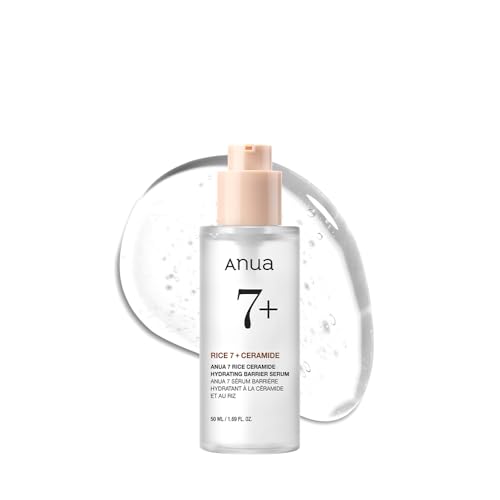
Anua's 7 Rice Ceramide Hydrating Barrier Serum pairs seven types of rice extract with ceramides for layered barrier support. It absorbs quickly, so it won't pill under your moisturizer or disrupt the rest of your routine.
If you already use an active serum — niacinamide, PDRN, vitamin C — you don't need to retire it. Layer the barrier serum underneath it, or alternate them on different nights.
Trade Up to a Richer Moisturizer
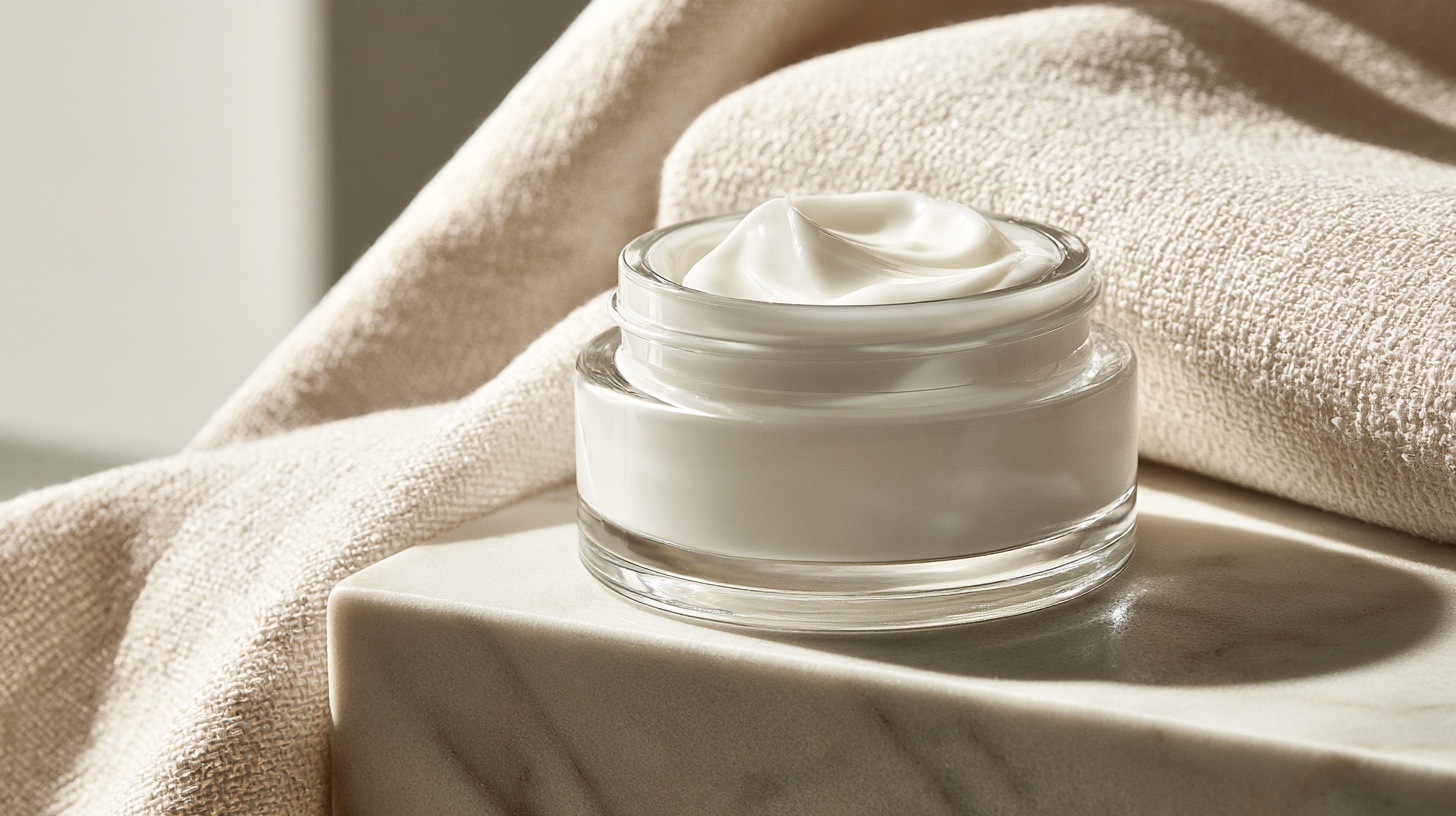
This is the swap most people feel most quickly. A gel moisturizer that worked perfectly in July can feel completely inadequate by November. Cold weather calls for a cream — denser texture, a blend of humectants and occlusives, something that forms a light seal over everything you've applied underneath.
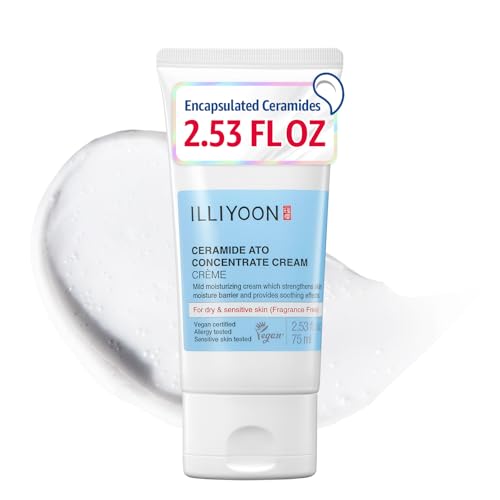
Ceramide-rich creams are the obvious choice for barrier repair. Illiyoon Ceramide Ato Concentrate Cream is a cult favorite — rich without being heavy, and it performs well for both dry and sensitive skin that tends to flare in colder weather. If you prefer something lighter but still nourishing, I'm From Rice Cream gives skin a plump, comfortable feel without any greasiness.
One practical note: you don't have to use the same moisturizer all over. A lighter cream on your nose and chin, a richer one on drier cheeks and forehead — that kind of zone-based approach works really well in winter.
Keep Your Sunscreen — Just Pick a More Moisturizing Formula
Sunscreen doesn't take a season off. UV rays are still present on overcast fall and winter days, and if you commute or sit near windows, your skin is getting UV exposure. The difference in winter is that your SPF can double as part of your hydration routine.
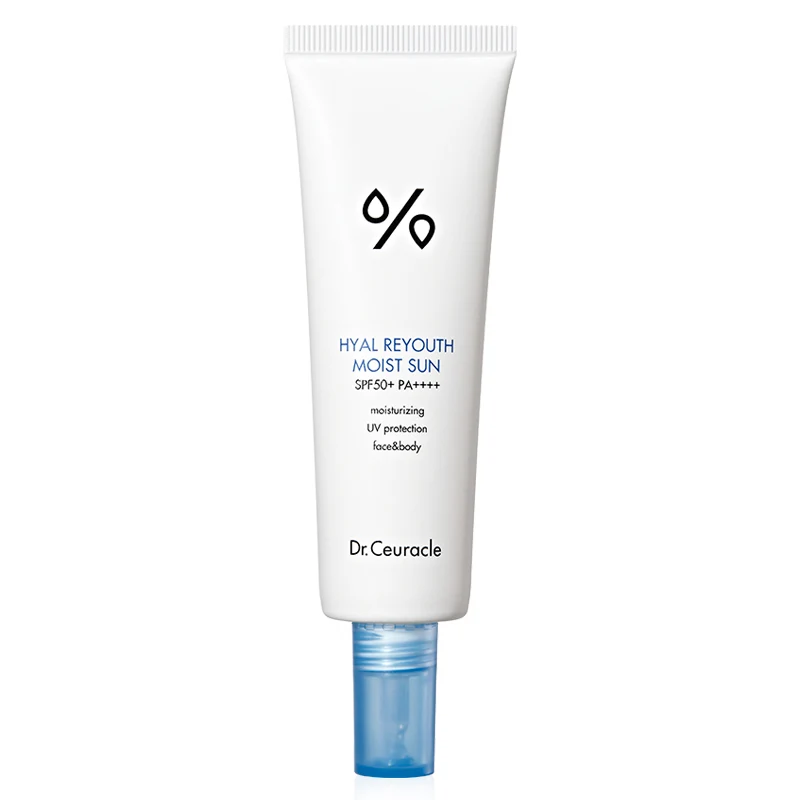
Instead of a lightweight, matte-finish formula (ideal for humid summer days), look for a sunscreen with added hydrating ingredients. Dr. Ceuracle Hyal Reyouth Moist Sun SPF50+ PA++++ is built for exactly this — it finishes dewy rather than flat and adds a noticeable layer of comfort that more minimal formulas don't. A seamless swap for the colder months.
Bring In a Weekly Treatment Mask
A weekly intensive mask is one of the easiest ways to give your barrier an extra boost without reworking your entire routine. Collagen-focused sheet masks are particularly well-suited to fall and winter — they deliver concentrated moisture and help improve skin's overall resilience.
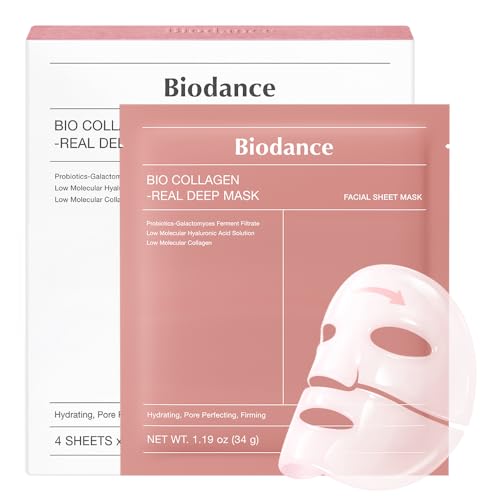
Biodance Bio-collagen Real Deep Mask is a popular choice for this: it fits close to the face, delivers an intense plumping effect, and leaves skin looking noticeably smoother. Once or twice a week on evenings when you have a few extra minutes is plenty.
Your Cold-Weather Transition Checklist
- Dial back foam cleansing in the morning; keep double cleansing at night
- Swap a watery toner for a milky or essence-style formula
- Add a ceramide or barrier serum between toner and moisturizer
- Upgrade to a richer cream, especially on dry areas of the face
- Switch to a moisturizing SPF — don't skip it in winter
- Add a collagen or hydrating mask once or twice a week
- Ease up on exfoliating acids in frequency, not completely
You don't need to replace everything at once — start with the moisturizer and toner swap, see how your skin responds, then layer in the rest. Browse the full K-beauty range at CosClub to find the right products for each step of your cold-weather routine, and if you shop regularly, a CosClub membership gets you member pricing on every product, every day.