If you've ever looked at a K-beauty routine and felt unsure where to start, you're not alone. The steps can look unfamiliar at first, but there's a clear logic to each one — and once you understand it, building a routine that works for your skin feels a lot less overwhelming. Here's everything, in order, explained plainly.
The Logic Behind the Layering Order
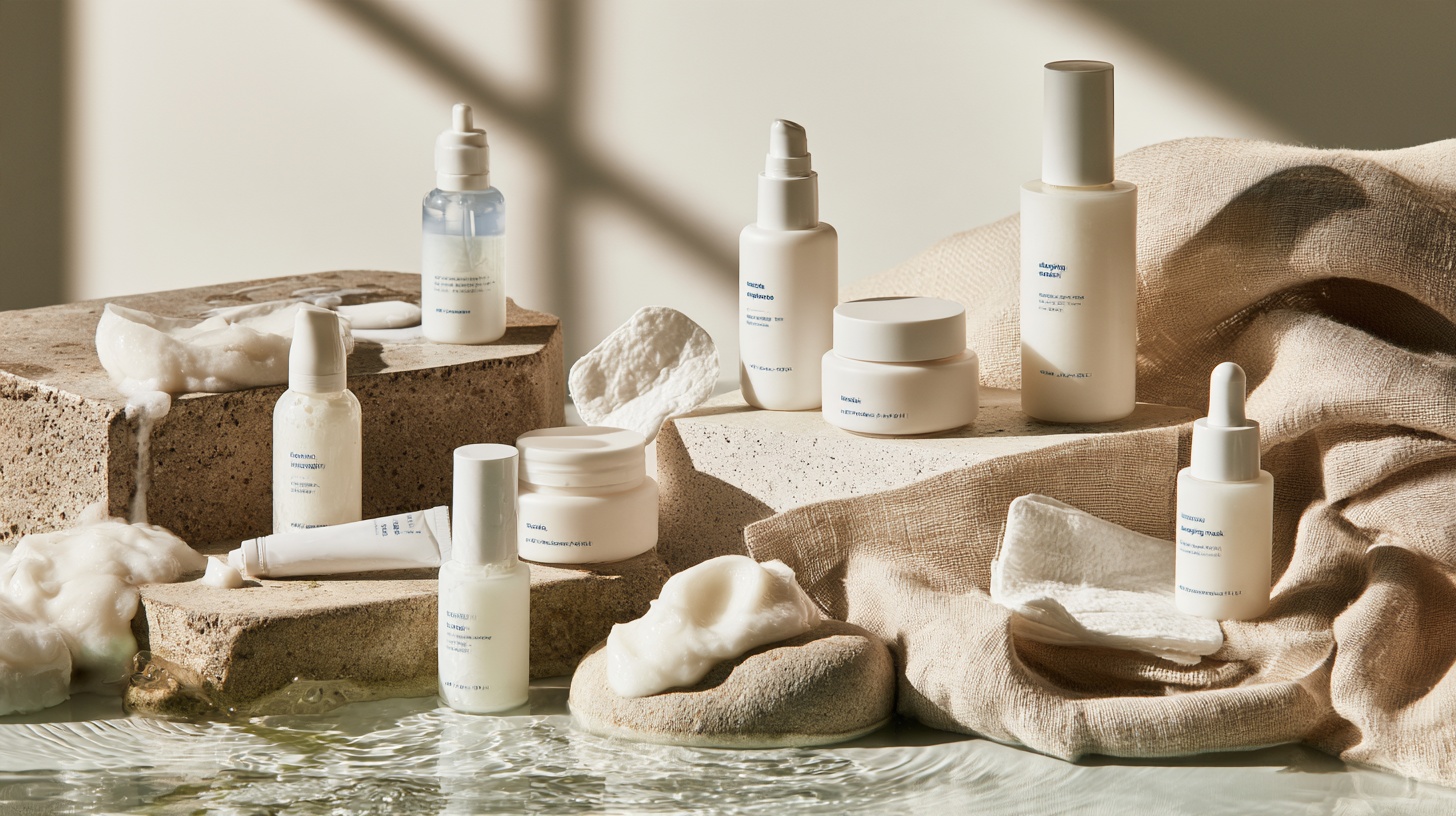
The guiding principle behind every Korean skincare routine is simple: apply products from thinnest to thickest. Water-based formulas go before oils and creams; lightweight treatments go before richer ones. This order matters because thicker textures sit on the surface and can block thinner products from absorbing properly. Get the sequence right and each layer does exactly what it was designed to do.
- Tonerwatery, goes on first
- Essencelight actives, close to toner
- Serumconcentrated treatment
- Eye Creamtargeted, gentle texture
- Moisturizerseals in hydration
- SPF or Sleeping Maskfinal step, AM or PM
Double Cleansing: The Foundation
Korean skincare starts the evening with two cleansers instead of one — each doing a different job. The first is oil-based: a cleansing oil or balm that breaks down sunscreen, makeup, and excess sebum. The second is a water-based cleanser, usually a foam or gel, that removes what the oil loosened.
Neither works as well on its own. Foam cleansers struggle to fully cut through oil-based products like SPF; an oil cleanser alone can leave a slight residue. Together, they leave skin genuinely clean without over-stripping.
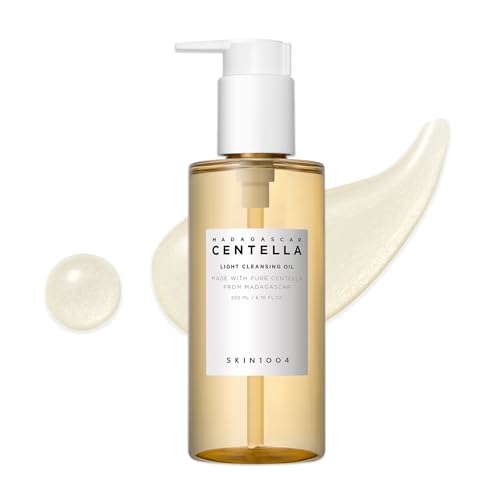
A gentle option like the Madagascar Centella Light Cleansing Oil is a good starting point — lightweight, rinses clean, and calm enough for sensitive skin. Follow it with a foam or low-pH cleanser that suits your skin type.
In the morning, most people skip the oil step entirely. Overnight your skin hasn't had SPF or makeup on it, so a single water-based cleanse is usually all you need.
Toner: More Than Just a Prep Step
Korean toners are nothing like the harsh, alcohol-heavy formulas that American routines once featured. In K-beauty, a toner is hydrating and pH-balancing — its job is to bring your skin back into balance after cleansing and create a surface that absorbs everything you apply next more effectively.
There are two main styles:
- Watery toners absorb almost instantly and work well for oily or combination skin, or for layering multiple thin coats (a technique sometimes called "7 skin").
- Milky or hydrating toners are richer and more nourishing — better for dry or dehydrated skin, or for anyone who wants to simplify their lineup.
You can apply toner by patting a small amount into your skin with clean hands, or pressing it in with a cotton pad. Either way, let it absorb fully before moving on.
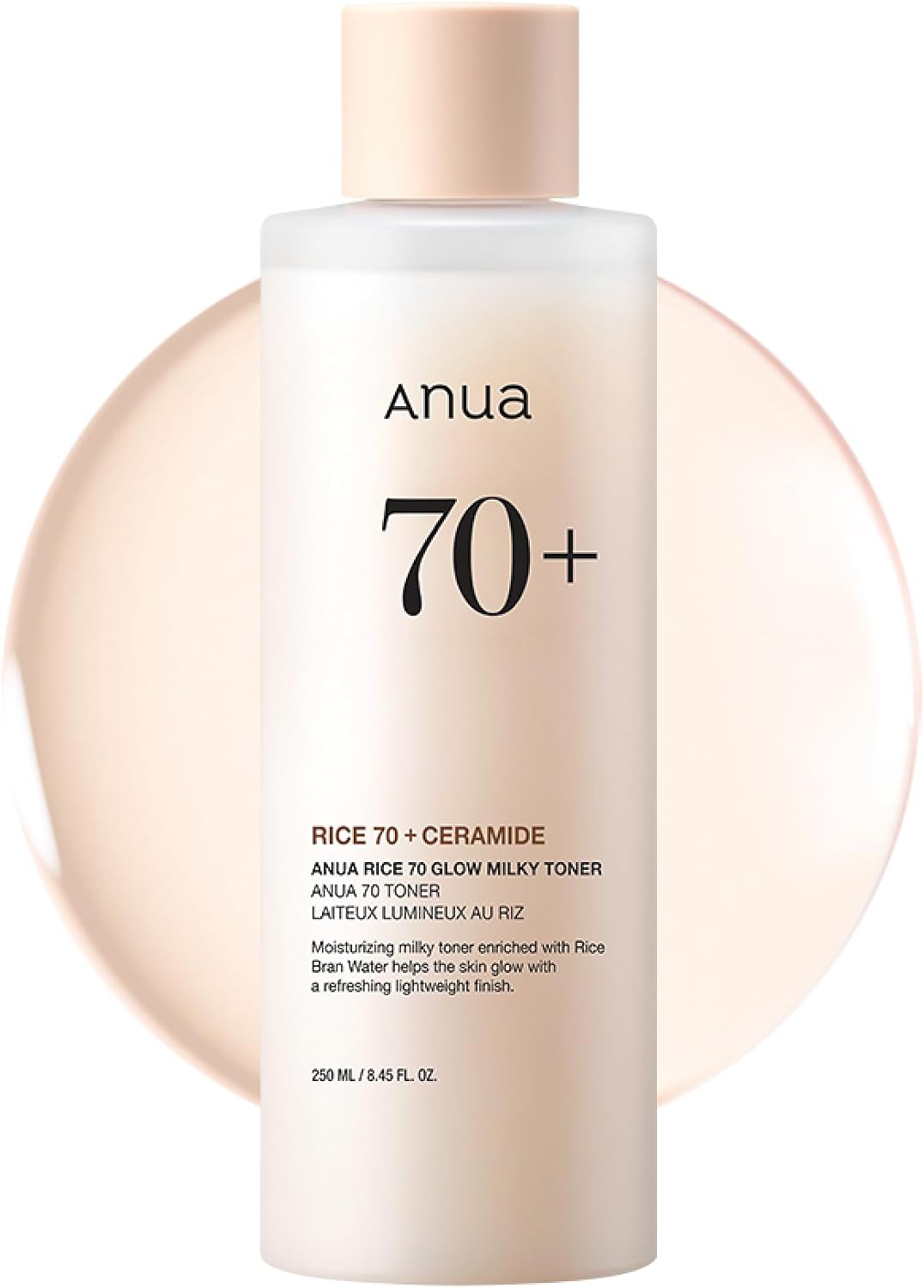
A milky-style option like the Rice 70 Glow Milky Toner bridges the gap between lightweight and nourishing — fermented rice water gives it a brightening quality while the texture stays thin enough to layer comfortably.
Serums and Essences: Where the Real Work Happens
This is the most flexible part of the routine and where ingredient choices matter most. Serums are concentrated, targeted treatments designed to address specific concerns — hydration, brightness, texture, firmness, or whatever you're focused on. K-beauty also uses essences and ampoules, which fall into a similar category but differ in texture and concentration:
- Essences are the thinnest — closer to a toner in feel, but with active ingredients built in.
- Serums are more concentrated with a slightly richer consistency.
- Ampoules are the most potent and are often used in short, intensive courses.
You don't need all three. Pick one or two that target your main skin concerns and layer from thinnest to thickest.
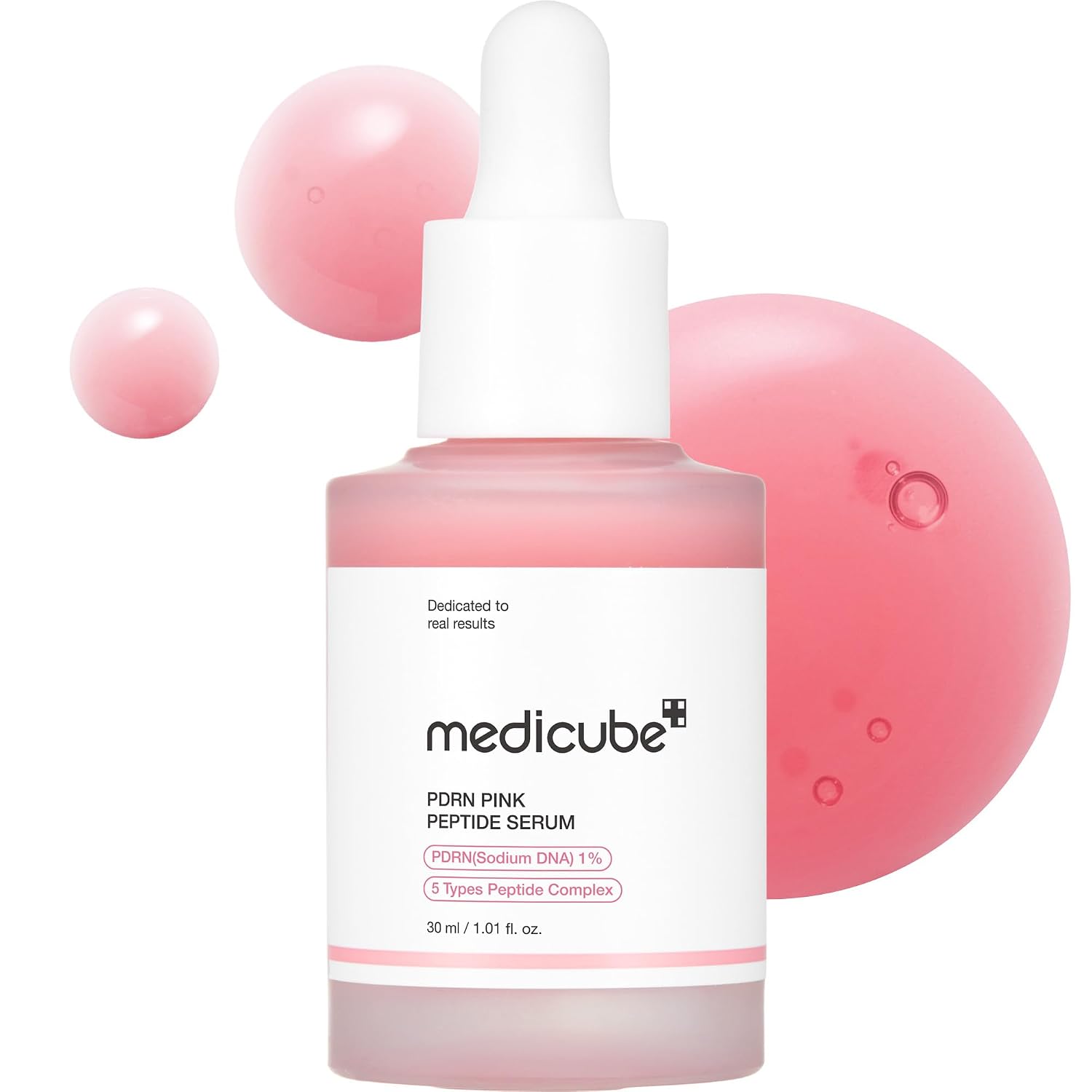
PDRN (polydeoxyribonucleotide) has become one of the most sought-after ingredients in K-beauty, appearing in serums aimed at skin that looks visibly plumper and more resilient over time. The Salmon PDRN Pink Peptide Serum pairs PDRN with peptides in a lightweight, fast-absorbing formula that layers cleanly under moisturizer.
If you use retinol or exfoliating acids, this is where they belong in your routine — and always at night, after cleansing and toning.
Eye Cream
The skin around your eyes is the thinnest on your face and often the first area to show signs of fatigue, dryness, or stress. Korean eye care typically focuses on keeping the area well-hydrated and uses targeted ingredients — like caffeine, ginseng, retinal, or peptides — to address puffiness and the look of fine lines.
Apply eye cream with your ring finger, which naturally uses the least pressure. Tap gently along the orbital bone rather than rubbing or dragging the skin.
Moisturizer: Lock It All In
Moisturizer holds your routine together. It seals in the hydration and actives you've layered underneath and supports your skin barrier — the outermost layer that keeps moisture in and irritants out. Even oily skin types need this step; skipping it can trigger more oil production as your skin tries to compensate.
K-beauty offers moisturizers across a wide texture range. Gels and fluid creams suit oily or combination skin; richer creams are better for dry or compromised skin. Ceramides support barrier repair; hyaluronic acid adds deep hydration; niacinamide helps with brightness and pore appearance.
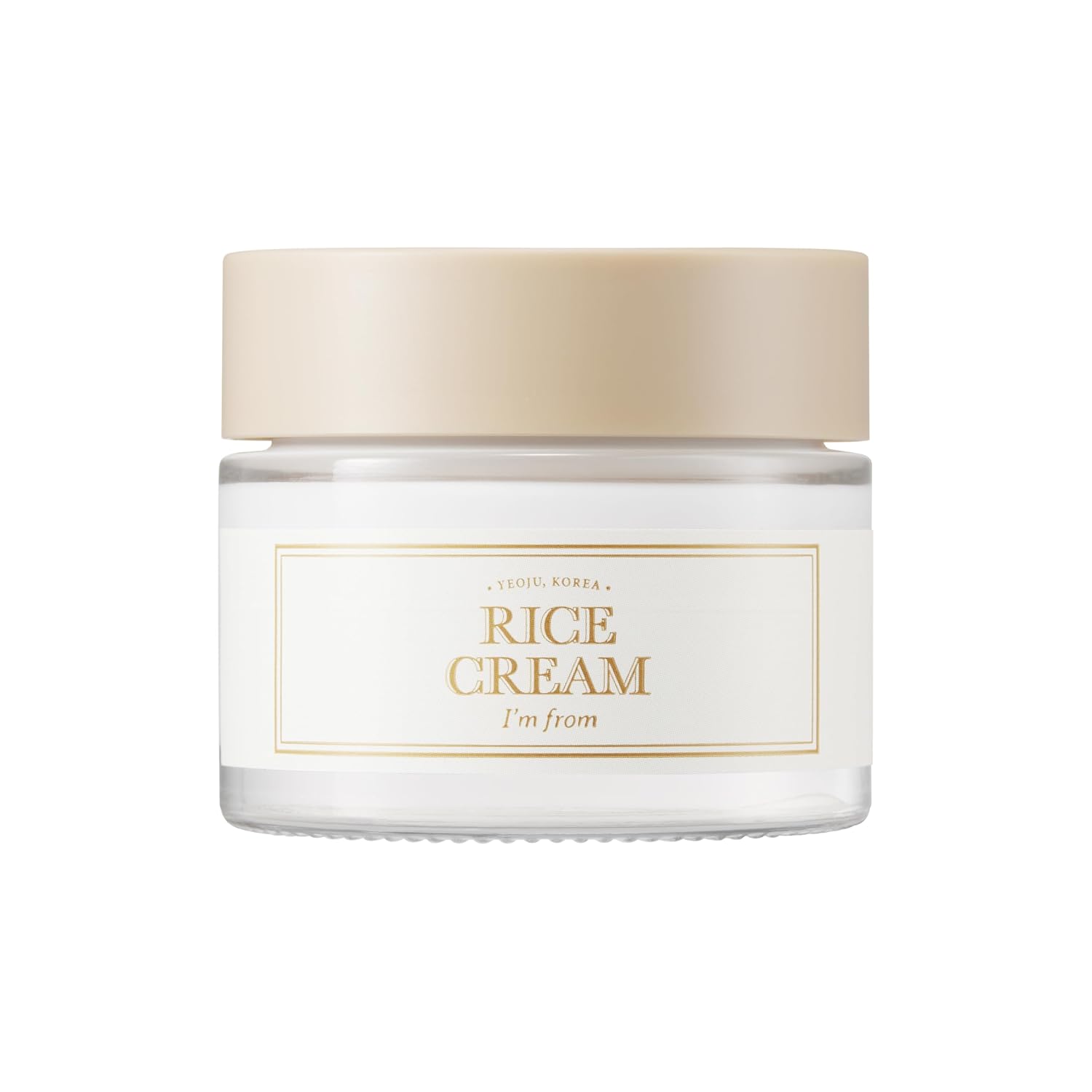
The Rice Cream from I'm From is a good example of a rice-based formula that works across skin types — hydrating without heaviness, and it layers cleanly without pilling under SPF.
Where AM and PM Diverge
Most steps are the same morning and evening. The difference is in how you finish.
- 1Cleansewater-based wash
- 2Tonehydrate and balance pH
- 3Serumtargeted treatment
- 4Eye Creamtap gently around eye
- 5Moisturizerseal in hydration
- 6SunscreenSPF50+, final step
- 1Oil Cleanseremove SPF and makeup
- 2Foam Cleansewater-based second step
- 3Tonerestore moisture
- 4Serumactives and retinol at night
- 5Eye Creamtap gently
- 6Moisturizersupport skin barrier
- 7Sleeping Masktwo or three times a week
Most steps are shared; SPF closes the morning, sleeping mask closes the evening
Morning: Sunscreen
Sunscreen is the non-negotiable final step of every morning routine. In K-beauty, SPF isn't an afterthought — it's the whole point of protecting the skin you've worked to build. Korean sunscreens have earned a strong following among beauty fans for a reason: they're genuinely wearable. No white cast, no greasy finish — just a smooth, even layer that works under makeup or on its own.
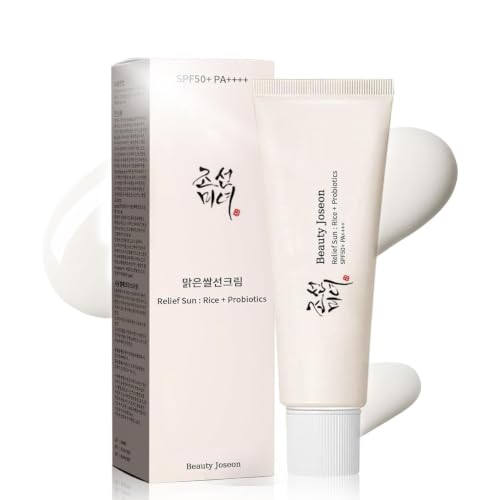
Look for SPF50+ and PA++++ for the highest protection level available. The Relief Sun + Rice + Probiotics SPF50+ from Beauty of Joseon is a perennial favorite — it absorbs quickly, layers seamlessly, and finishes without heaviness.
Apply sunscreen last, over moisturizer. A generous, even amount is key — don't skimp on this one.
Evening: Sleeping Mask
Where your morning ends with SPF, your evening routine ends with a sleeping mask. These leave-on overnight treatments sit on top of your moisturizer and work while you sleep, locking in moisture and giving active ingredients time to absorb undisturbed.
You don't need to use one every night — two or three times a week is plenty for most people, or more during dry weather or when your skin needs extra support. Apply a thin, even layer after moisturizer and let it do its thing until morning.
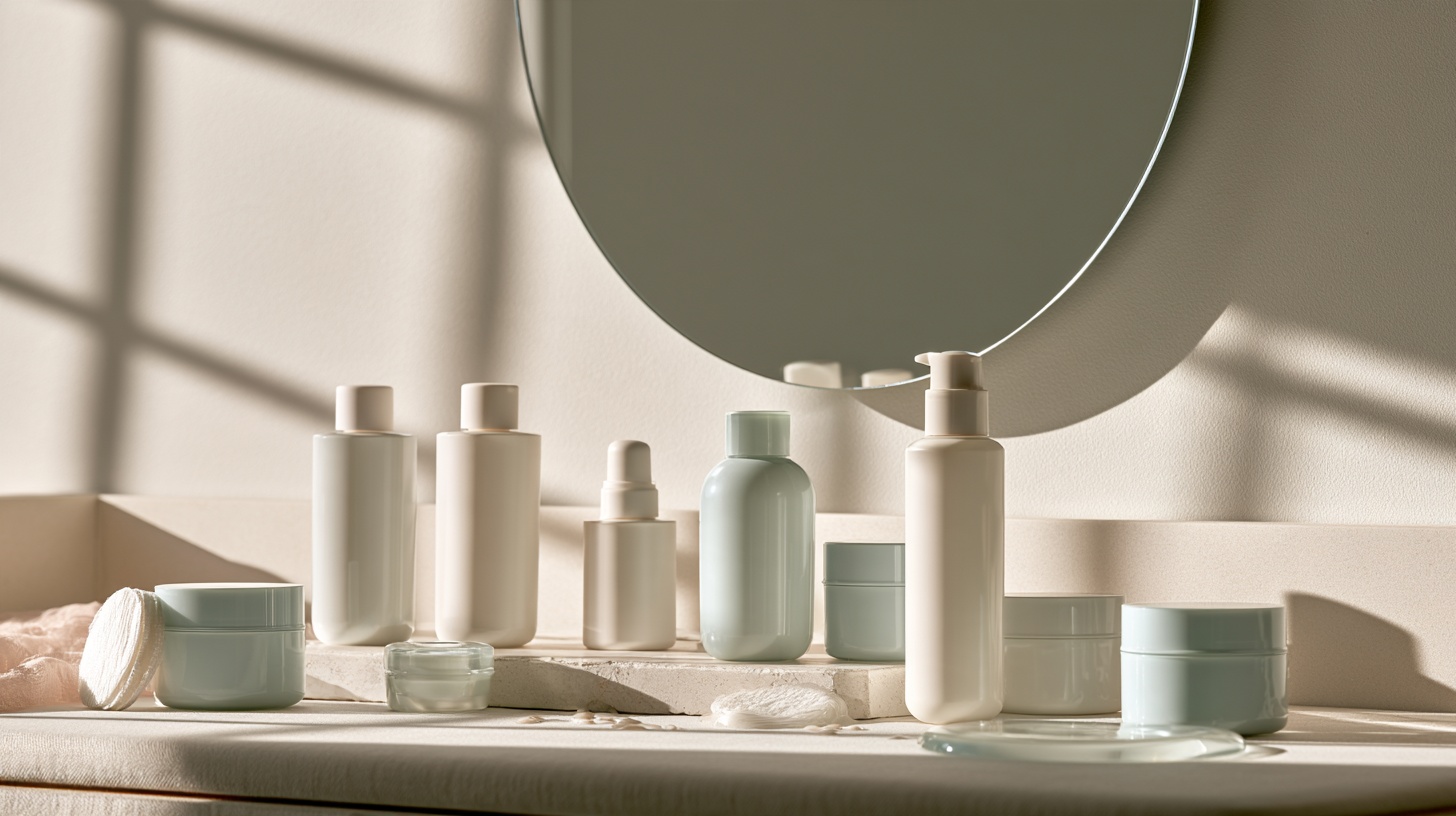
Every routine looks a little different depending on your skin type, concerns, and how much time you want to spend — and that's exactly how it should be. The steps above are your framework; what matters is finding the right products within each one. At CosClub, we carry a curated range of authentic Korean skincare for US shoppers, from first-cleanse oils to SPF finishes. Browse the full collection and build your routine with products you can feel confident about.